 >
>
Marshmallow — not just a treat, but an ancient medicine
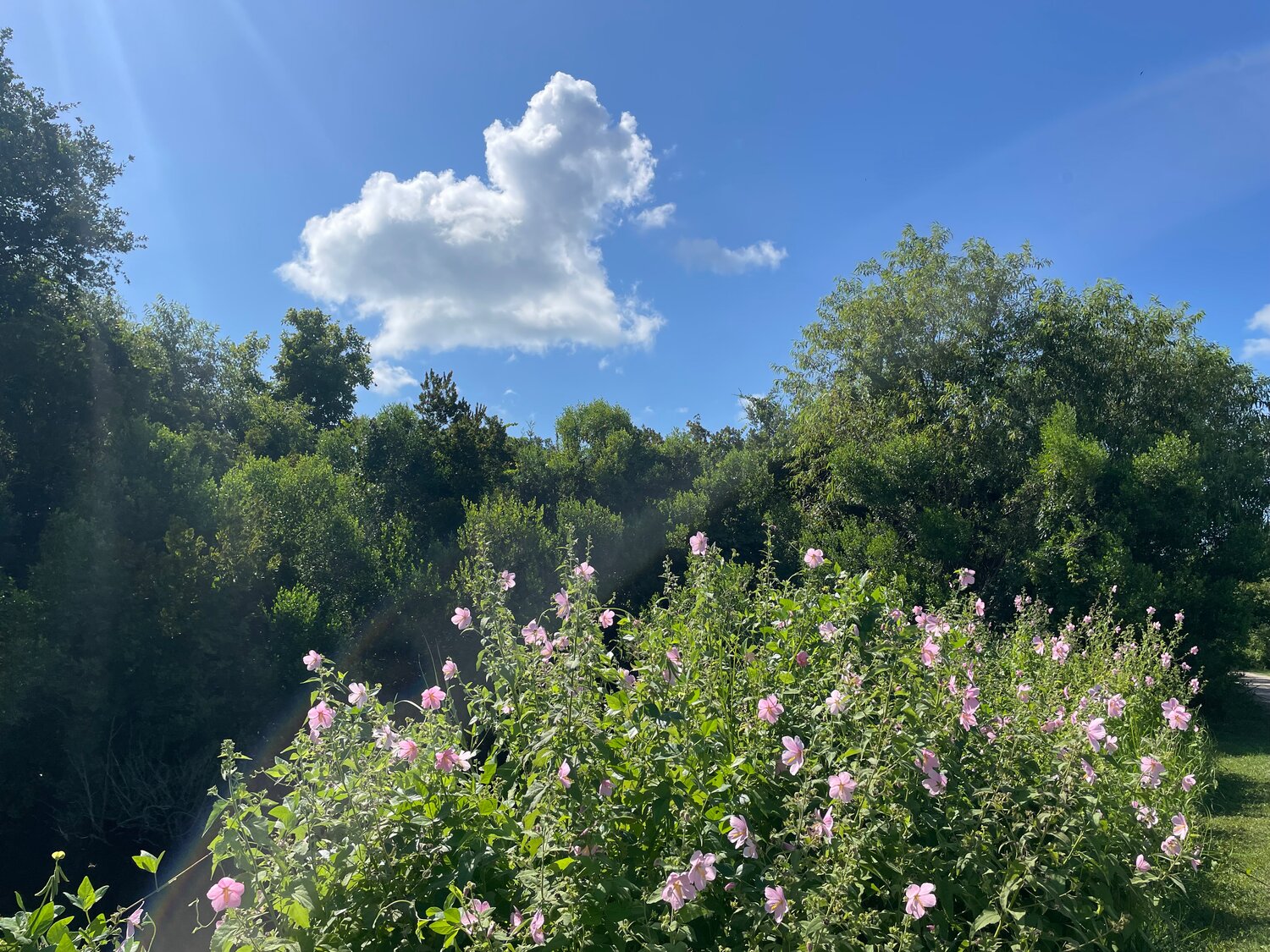
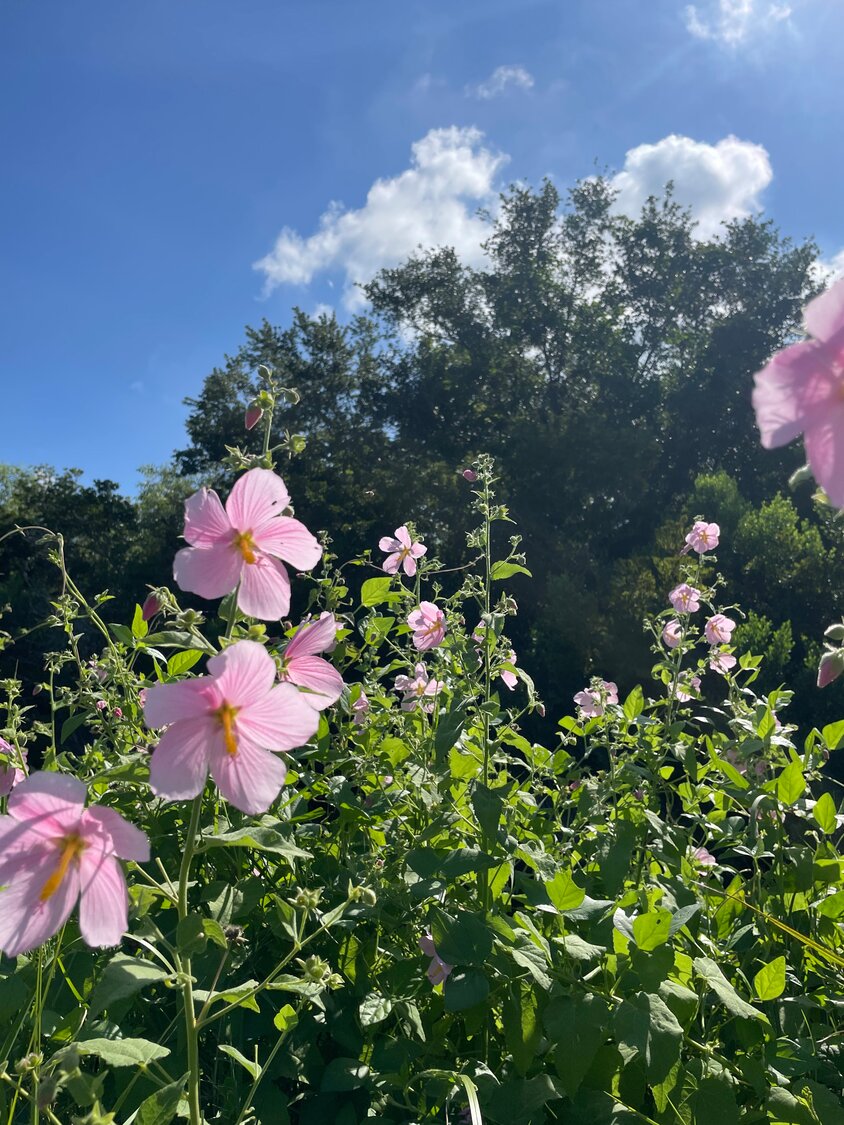


One of my favorite things about Amelia Island is the flowers. Each flowering plant has its season to shine, and if we pay attention, we will witness a colorful display. In the summer, I look forward to the arrival of the large, whimsical flowers of the marshmallow plant.
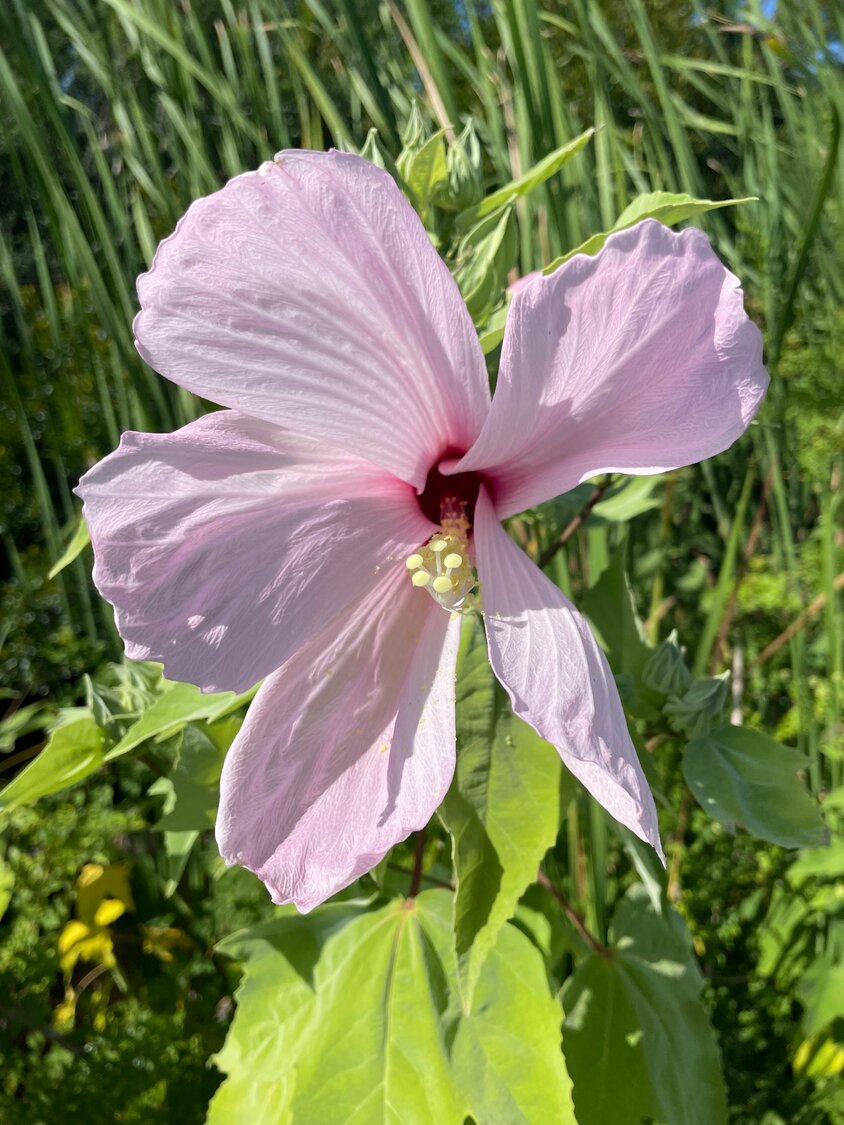
This plant is a fairly large, sturdy, herbaceous, perennial growing along trails near the marsh, preferring wet but well-drained soil. The flowers have five light pink petals with a cream-yellow stigma in the center. The flowers are beautiful.
The marshmallow plant (Althaea officinalis) is closely related to the hibiscus, with a similar but more delicate flower. They belong to the Malvaceae (mallow) family along with cotton, hollyhocks, and okra. Marshmallow is native to places like North Africa, Asia, and Europe. This plant was intentionally imported by European colohundreds of years ago and has become naturalized in North America. The marshmallow plant can be found in the Ron Sapp Egans Creek Greenway and along Jasmine Street in the summer months.
I find it interesting that this plant is the namesake of the delicious, age-old treat, the marshmallow. So how did this happen?
Before the advent of pharmaceuticals, people knew which plants could be used to treat various ailments. People hundreds and thousands of years ago relied on this knowledge of plant medicine to help their loved ones when they were ill.
The marshmallow is a medicinal plant. The root is rich in mucilages, which are gelatinous substances produced by some plants, for example, aloe vera, chia seeds, and okra. Mucilage is composed of polysaccharides (long chains of complex sugars) and proteins, and when hydrated, forms a slippery, thick gel. Creating an internal balm, the gel can coat the mouth, throat, esophagus, urinary, digestive, and respiratory systems, helping to soothe irritation and help a person heal. The gel can also be used for skin ailments.
Mucilage is used as thickening agents in food, cosmetics, and pharmaceuticals. Plants that produce mucilage use the substance to protect themselves against pathogens, retain moisture for germination and stress relief, and enhance hydraulic interactions with the surrounding soil.
In my imagination, I see Southern women hundreds of years ago whipping up batches of marshmallow medicine for their loved ones in Florida. At that time women would have soaked and heated (but not too much) the root to extract the gel and then whipped the substance with sugar and egg whites, making a medicinal spongy healing lozenge. This medicine must have been easy to give to children, being sweet like candy. This was the original “marshmallow medicine.”
What is interesting is how far back in history this plant was used for medicinal purposes. Marshmallow has been used for at least 3,000 years in cultures such as ancient Egypt, Greece, Rome, India (Ayurveda), Arabian medicine, and European herbal traditions.
In ancient Egypt, healers mixed the gel extracted from the marshmallow root with honey to help sore throats and coughs. Traditionally a medicine fit for gods and pharaohs.
In the 1800s, French candy makers began to produce marshmallow for their shops as medicinal candy. Using the medicinal root extract from the marshmallow plant, they perfected the original marshmallow, they called it “pâte de guimauve.” As time went on, they gave up the lengthy process of extracting mucilage from the marshmallow plant. The gel substance from the plant was replaced by gelatin and corn syrup. We are now left with a sugary treat with no medical healing properties—only the name remains!


Comments
No comments on this item Please log in to comment by clicking here