 >
>
City fails to define 'best value' in request for proposals for paid parking
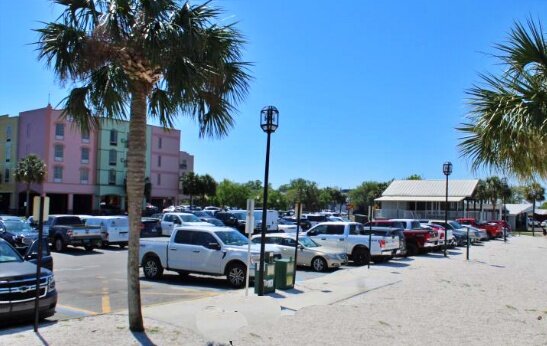
Whether you are for or against paid parking, you might agree that the worst scenario is a flawed contract that causes all sorts of consternation and still doesn’t produce the desired revenues. Based on my 41 years defending the Air Force when its purchasing agents got sideways with contractors, and on my reading of the City’s request for proposals (RFP), I have little confidence that the City’s current effort to contract out paid parking will be successful.
Poorly defined RFPs result in sorry competitions that spawn successful protests. When contract awards survive, the awarded contract is often fraught with conflicting provisions that give rise to contractor claims and costly disputes, all of which erode the government’s interest in awarding the contract in the first place.
The City’s “Parking Management Services” RFP has numerous flaws, the most unfortunate relates to its award criteria. The City states it will make an award to the contractor offering the “best value” for the City, but the City fails to identify what it values in a contract. Yes, the City seeks an experienced contractor, with good references, and a sound plan, but the RFP falls short on the all-important terms relating to monies the City will receive from the contractor. It directs contractors to “(d)emonstrate fees that are a percentage of revenue collected and fees that are at a set rate,” and to “provide a budget that demonstrates projected revenues of the proposed services.” This led to this question from a prospective bidder, ”(p)lease confirm what type of agreement the City is looking for. Is it a Rev Share or is it a management agreement with a fixed fee plus reimbursable operating expenses?”
Certainly a reasonable question. What type of arrangement do you see as offering you the best value? This is a contractor pleading with the City to know how to structure its proposal. And the City’s answer gave this bidder, and all others, no help. The City utterly balked at identifying what it wants, stating, “(p)roposer should present the option that is in the best interests of the City.”
With this “non-answer” the City telegraphed to all prospective bidders that it has not thought through its paid parking, that it is susceptible to “puffery” in “projected revenues,” and that it is prey to proposal terms that look good, but offers little real benefit to the City in practice. Contractors are savvy, they know their business, they know how to “win business,” and their professional proposal writers will sense the leverage they gained when the City instructed offerors to tell the City what is in its own best interests!
I am against paid parking. I hope the Commissioners vote it down. I certainly hope any Commissioners still thinking of implementing paid parking seriously consider the scenario I outline here and vote no if only to regroup with an improved RFP that has a better chance of achieving the City’s objectives.
John Hart


