 >
>
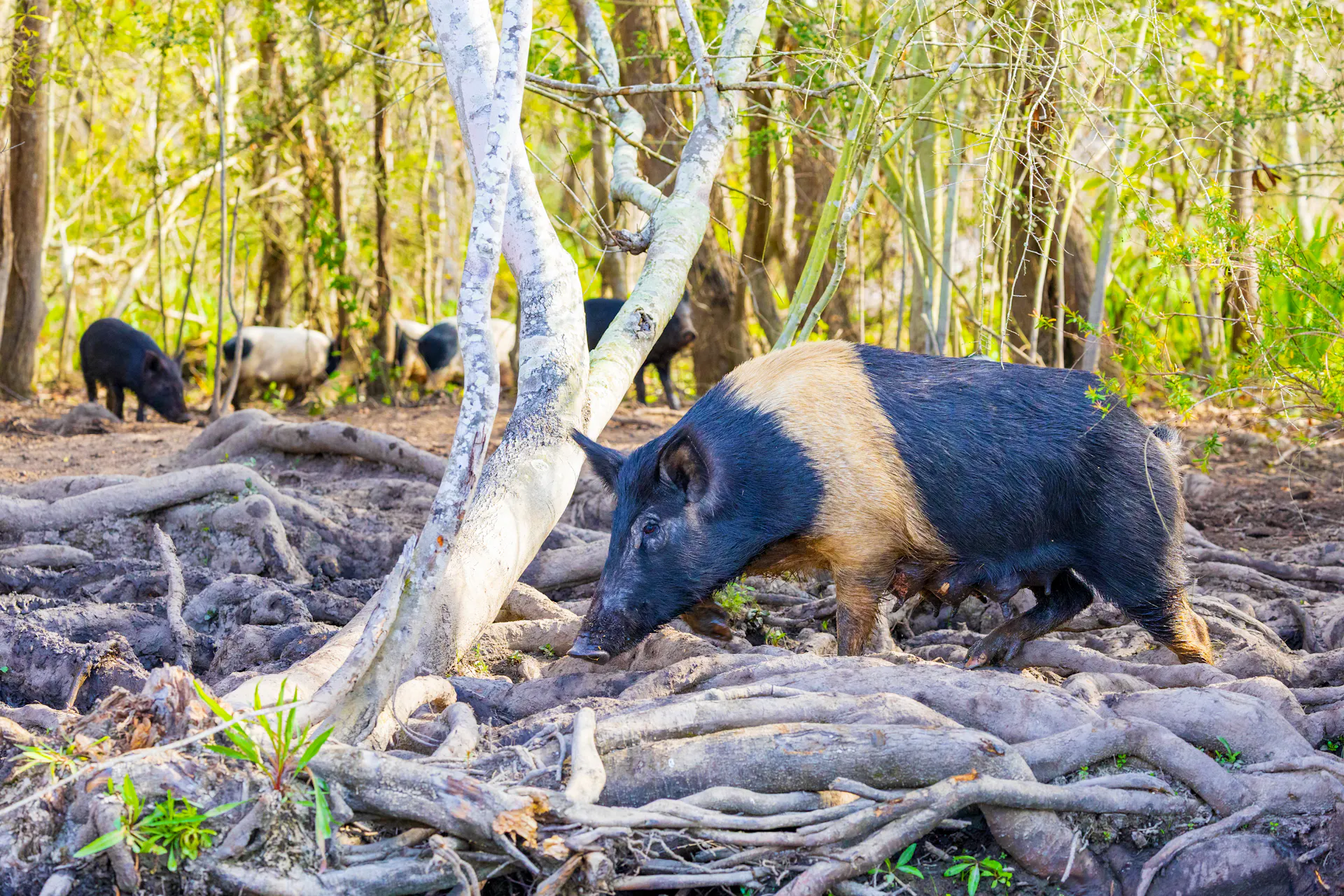
Controlling wild pigs can work if it’s a group effort
Thursday, August 13
Teaming groups of private landowners with federal efforts yielded measurable success, at least in terms of defending cornfields.
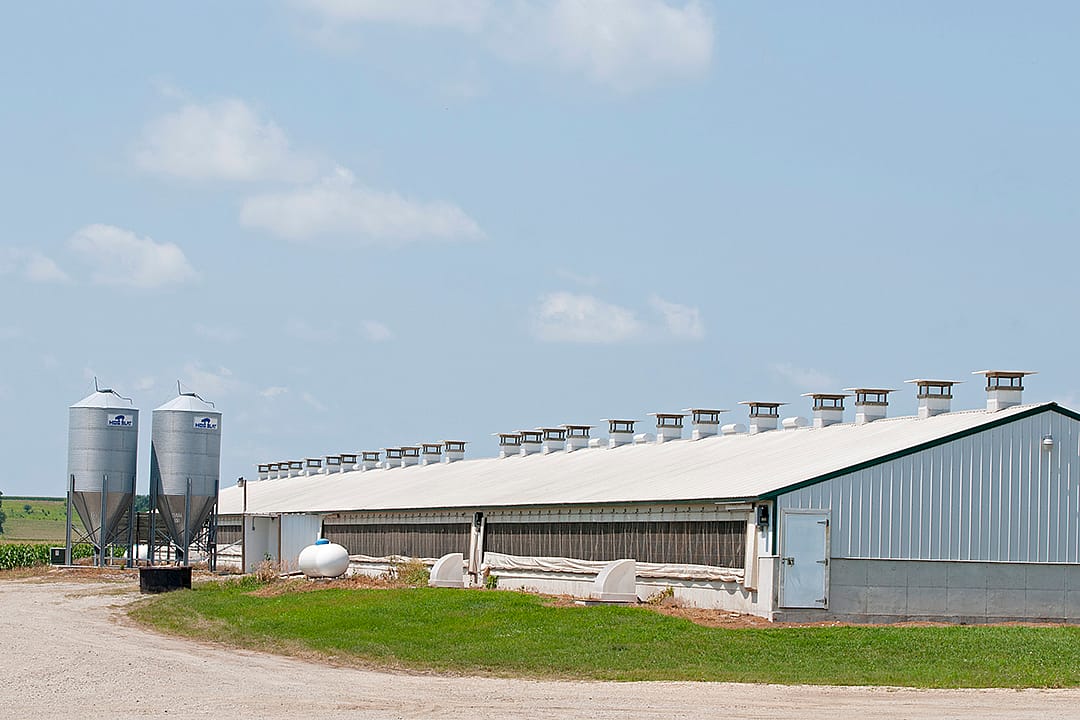
What data on 11K farms reveals about the country’s factory farm hotbed
4 days ago
Sentient Media reports Iowa has the most factory farms, producing 170 billion pounds of manure annually, leading to severe water pollution and health risks, including cancer.
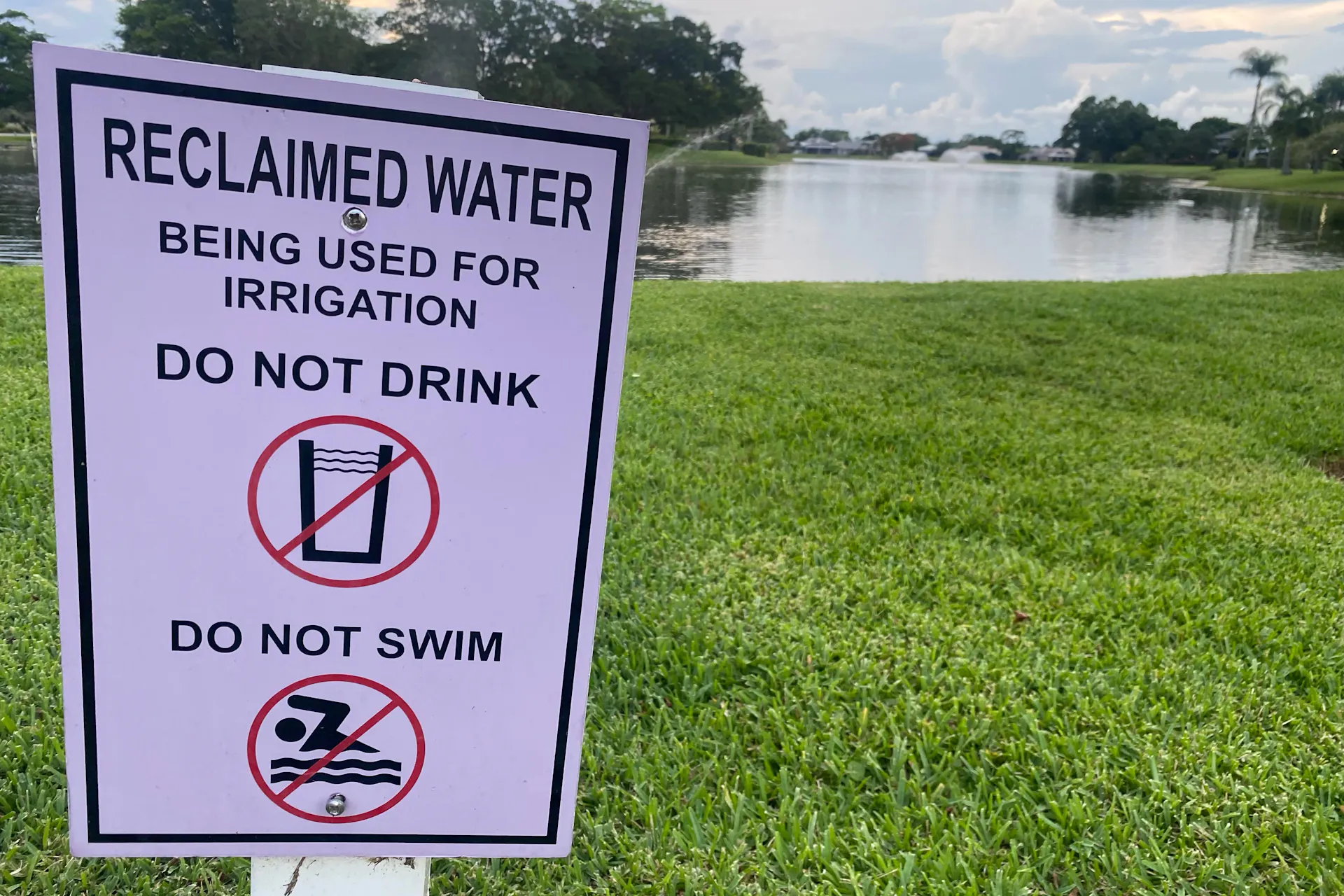
Cyclospora spreads through human waste – so how did it get on food?
Monday, August 10
US sewage treatment plants likely don’t get rid of all the disease-causing protozoa, and monitoring discharged wastewater for it is difficult.
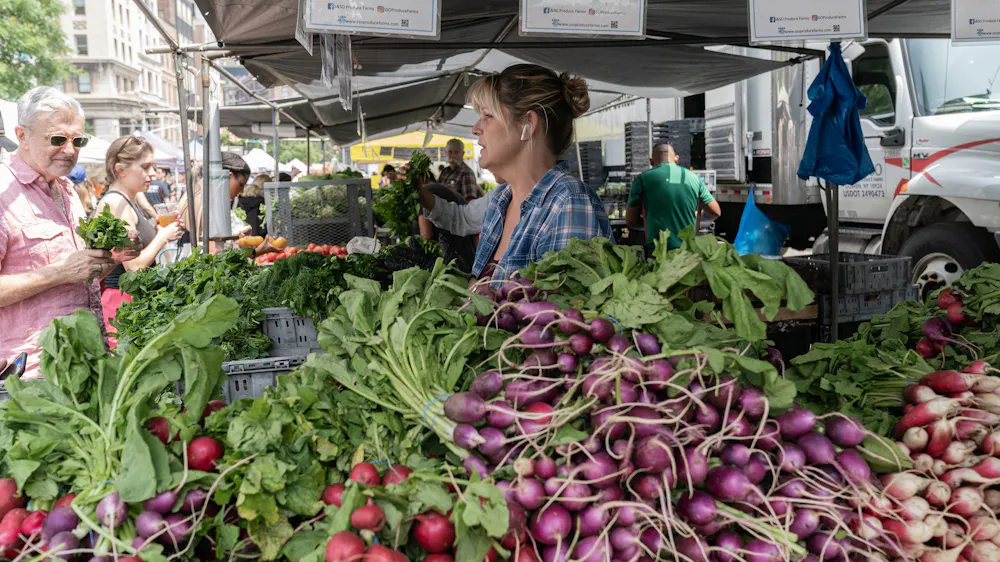
Who shops at farmers markets in the US?
 Lev Radin/Pacific Press/LightRocket via Getty Images via The Conversation
Monday, June 15
Only about 1 in 5 of the Americans surveyed shop at farmers markets because they care a lot about food and enjoy buying, preparing and eating fresh food.

Tuesday, June 16
A small but widening group of pioneers are working to make hazelnuts as much of a signature New Jersey crop as tomatoes and corn.

Monday, June 15
Damaging storms, one of which reached derecho status, spread across Iowa over the past week, but the state’s crop conditions remain stable, according to a U.S. Department of Agriculture report. Iowa Secretary of Agriculture Mike Naig said in a news release Monday that severe storms damaged crops and homes in eastern and southern Iowa during […]

Monday, June 15
Pseudorabies, a disease that primarily impacts swine, is again considered eradicated in Iowa, after the Iowa Department of Agriculture and Land Stewardship confirmed a spring outbreak did not spread to other farms. The virus was detected April 30 in a small Iowa herd that was later depopulated, per U.S. Department of Agriculture protocol. According to […]

Monday, June 15
Voters across Alabama go to the polls Tuesday to select party nominees for the 2026 midterm elections in five statewide and six legislative primary runoff elections. Sample ballots for all 67 counties can be found on the Secretary of State’s website. Alabama has open primaries, so voters can ask for a Democratic or Republican ballot […]

Monday, June 15
The West Virginia Department of Education is working with local partners this summer to provide statewide feeding sites for those 18 years old and younger, working to put together nutritious meals while navigating surging food costs.
Monday, January 26
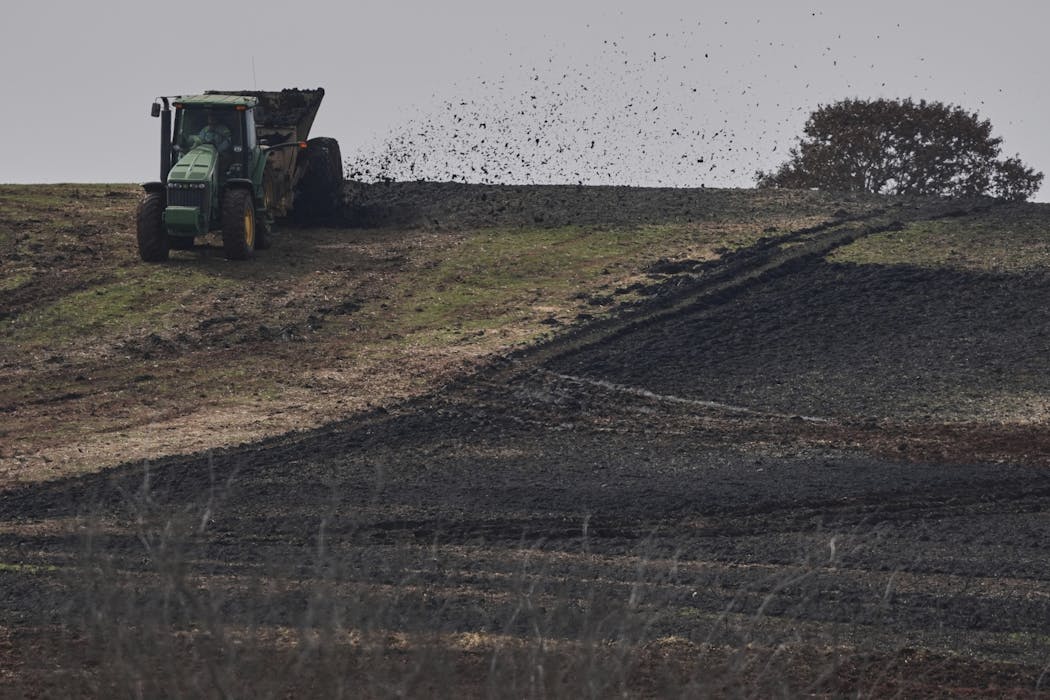
Plants need phosphorus, and other nutrients, to grow. But soil tests can’t tell if there’s too much.
Friday, January 16
The US government used to have American farmers’ backs, but that support has been dwindling for decades. New subsidies signal big changes for farmers.
Friday, August 15, 2025
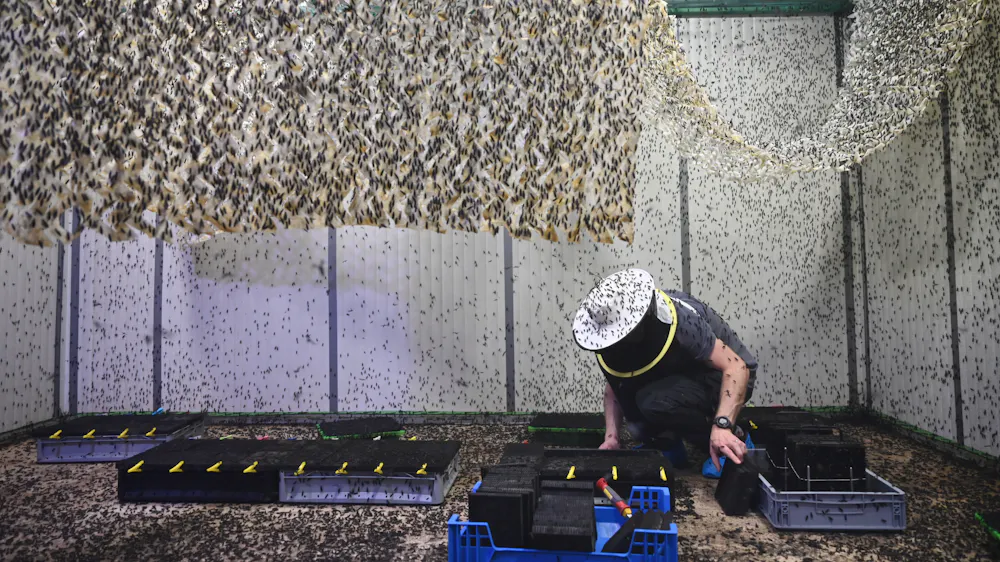
Considering how easily bird flu swept through chicken farms, it’s clear that domestication has downsides. Lessons from the past paired with modern genomic technology can help with farming insects.
Tuesday, July 22, 2025
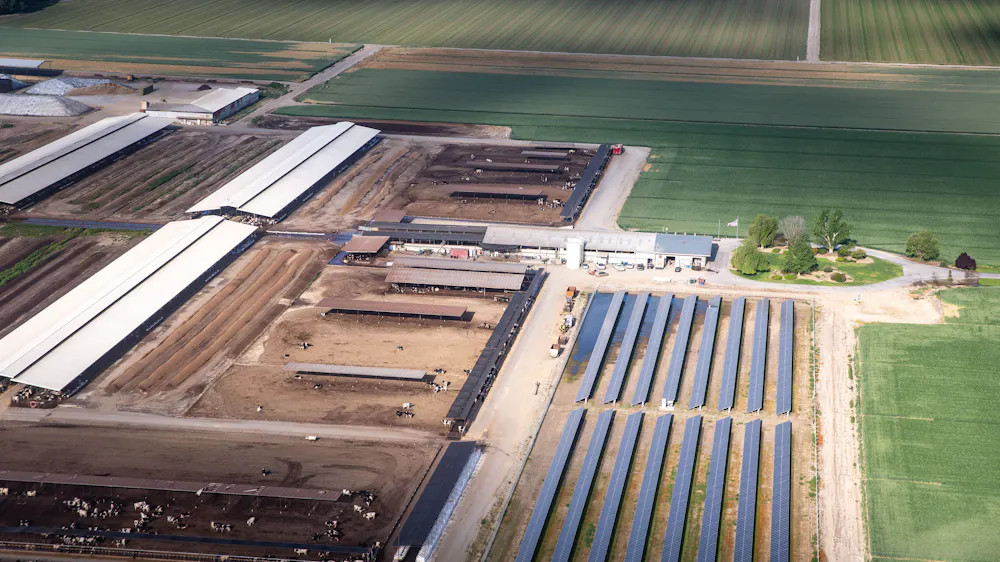
Solar is helping farmers in California save water and secure reliable income in the face of drought and economic pressure.

3 days ago
Atmos reports on Louisiana fishermen struggling against the impacts of a massive LNG plant in Cameron, which destroys their fishing grounds and livelihoods.
4 days ago
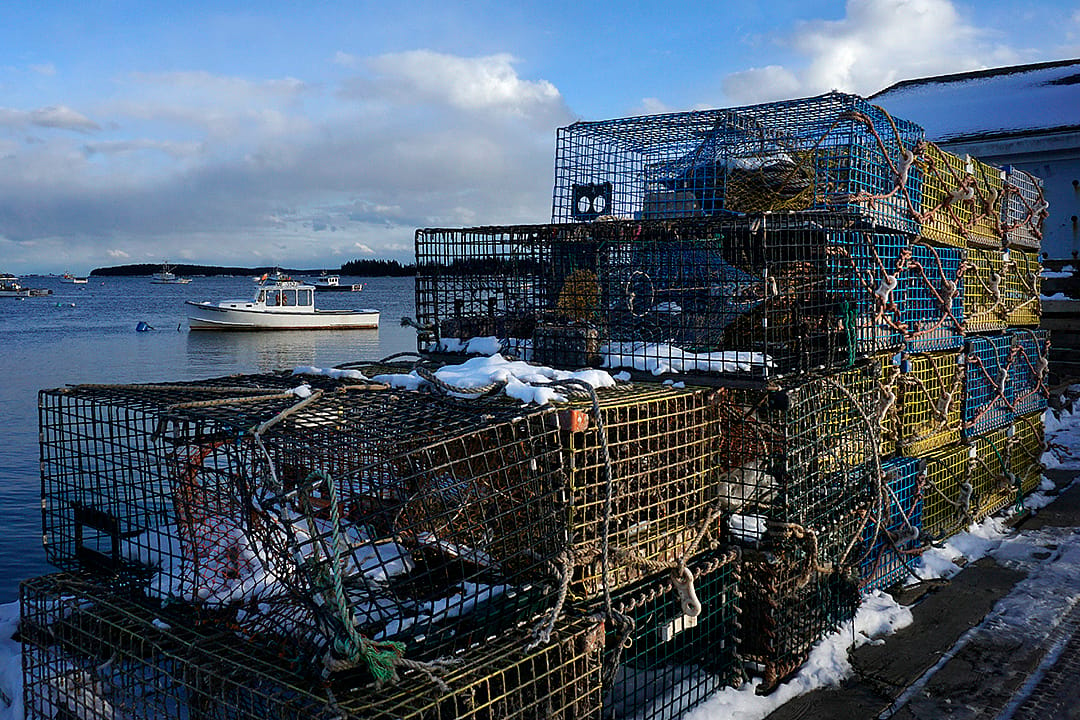
Atmos reports on Machias, Maine, a small town facing extreme flooding due to climate change.
Friday, September 25
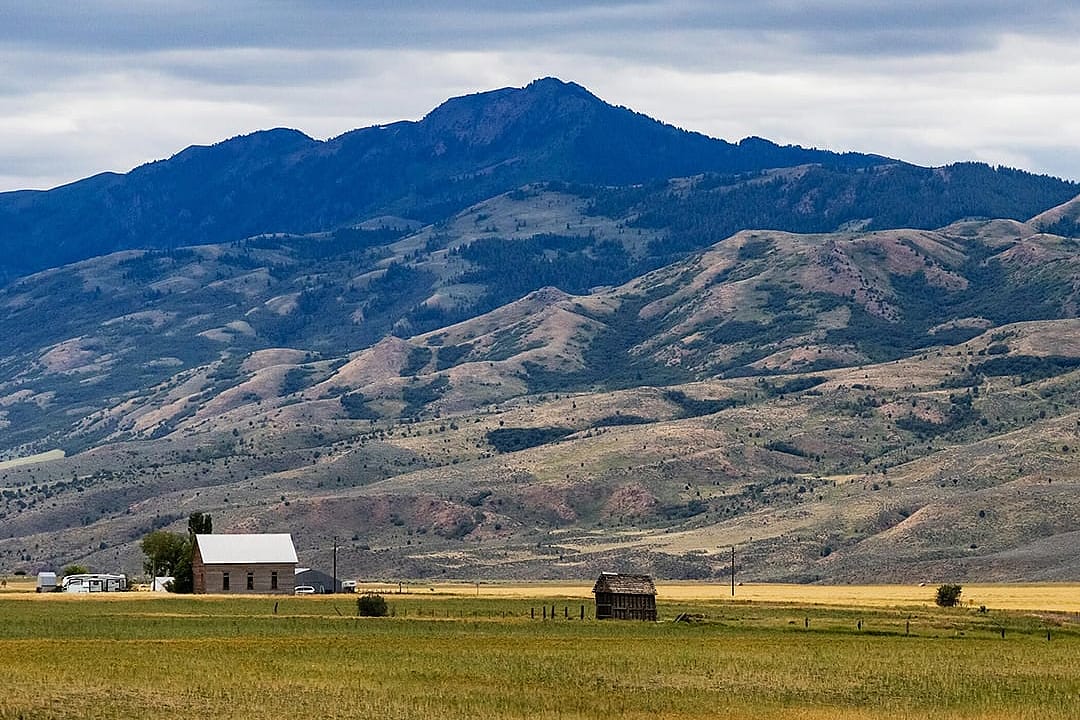
The Daily Yonder reports Bannock County, Idaho, faces a pivotal vote to potentially reverse an ordinance banning utility-scale solar and wind development.

Friday, September 25
(BPT) - Are you considering or in the midst of planning to build an accessory dwelling unit (ADU)? If so, you're part of a fascinating trend that's meeting multiple housing needs across the United …
Monday, September 21
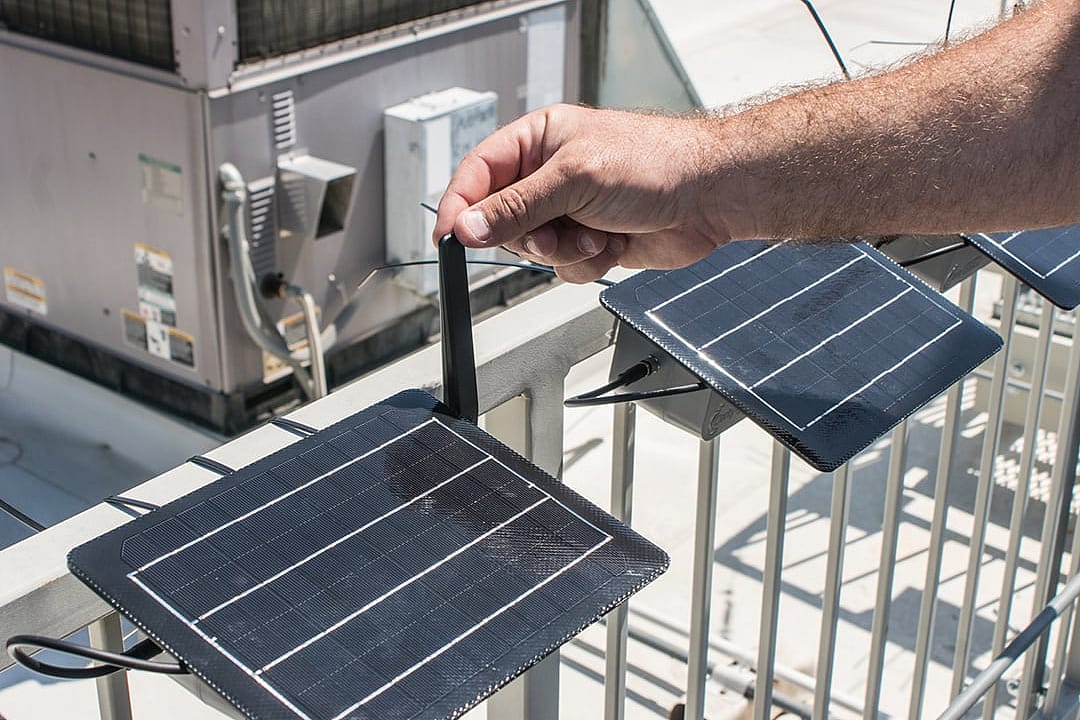
Floodlight reports America's air monitors are declining, limiting public ability to detect pollution.